Mastering Dahlia Tuber Cultivation for Cut Flowers 🌸

If you’ve ever been captivated by the vibrant, intricate blooms of dahlias, you’re not alone. These stunning flowers are a favorite among flower enthusiasts, florists, and designers alike. But growing dahlias specifically for cut flowers? That’s a whole different kind of rewarding challenge. Today, I’m excited to share everything I’ve learned about dahlia tuber cultivation for cut flowers, so you can enjoy those gorgeous blooms right from your own garden or farm.
Growing dahlias is more than just planting tubers and waiting for flowers. It’s about understanding the plant’s needs, timing your care, and harvesting at just the right moment. Ready to dive in? Let’s get started!
Why Dahlia Tuber Cultivation Matters for Cut Flowers
Dahlias grow from tubers, which are like underground storage units packed with energy. Starting with healthy tubers is the foundation of a successful dahlia crop. When you master dahlia tuber cultivation, you’re setting yourself up for strong plants that produce abundant, long-lasting blooms perfect for cutting.
Here’s why tuber cultivation is so important:
Healthy tubers lead to vigorous plants that resist pests and diseases.
Proper tuber care ensures consistent bloom quality and size.
Tubers can be stored and planted year after year, making them a sustainable choice.
You can select tubers from your best-performing plants to improve your garden’s genetics over time.
If you want to grow dahlias for cut flowers, starting with top-notch tubers is non-negotiable. And if you’re looking for a reliable source, I highly recommend checking out homestead growers farm for premium dahlia tubers that thrive in West Michigan and beyond.
Getting Started with Dahlia Tuber Cultivation
So, how do you get started with dahlia tuber cultivation? It’s easier than you might think, but there are a few key steps to follow:
1. Selecting Your Tubers
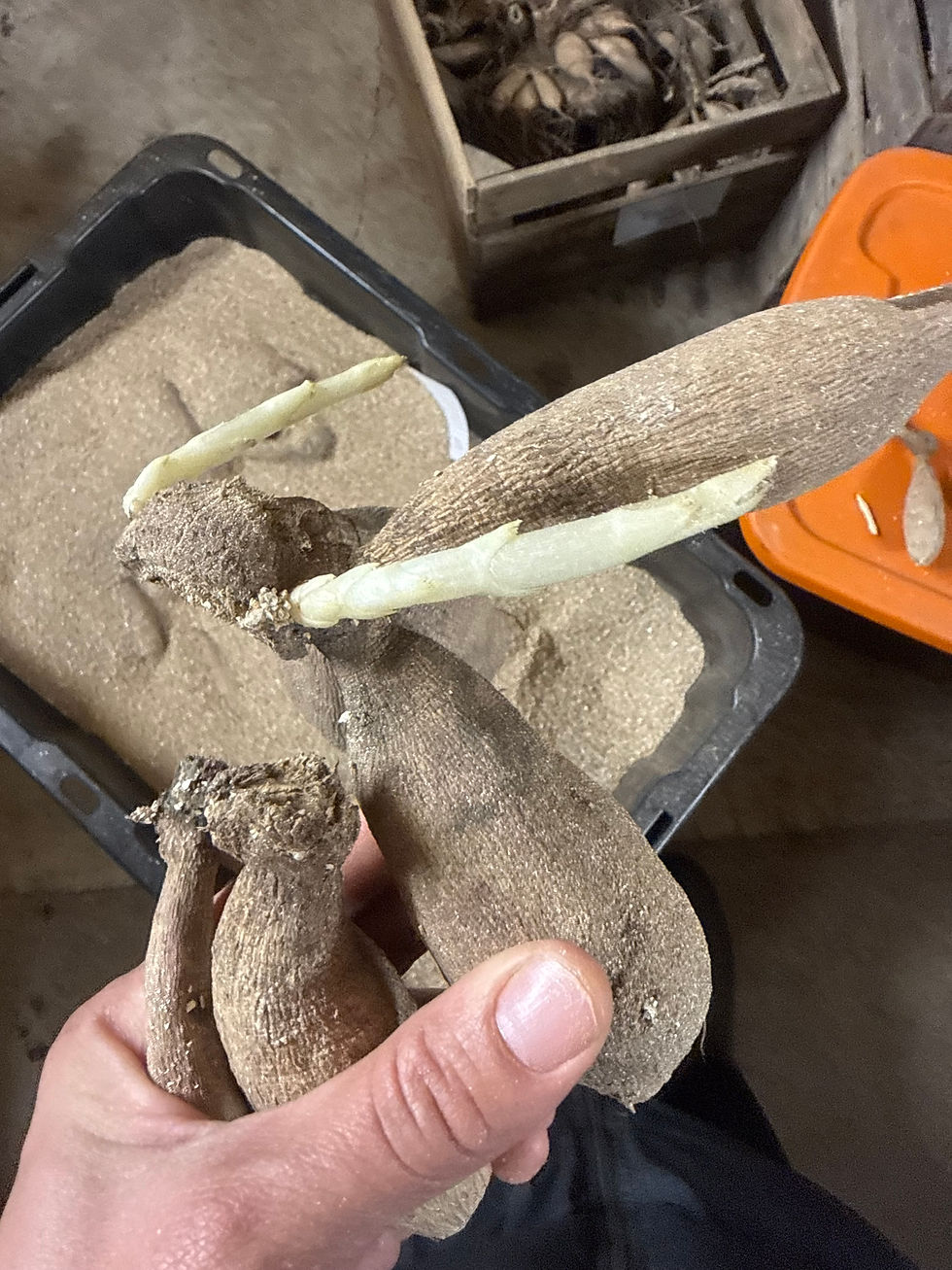
Choose tubers that are firm, plump, and free from soft spots. Look for tubers with visible “eyes” or growth points—these are where your new shoots will sprout. Avoid shriveled or damaged tubers, as they may not grow well.
2. Preparing the Soil
Dahlias love well-drained, fertile soil. Before planting, loosen the soil and mix in plenty of organic matter like compost or aged manure. This will provide nutrients and improve drainage, which is crucial to prevent tuber rot.
3. Planting Time and Depth
Plant your tubers after the last frost date when the soil has warmed to about 60°F.
(Here on our farm we shoot for planting out May 1st, however this particular spring has been VERY wet. So, we are shooting for May 15th this year). Dig a hole about 4-6 inches deep, place the tuber horizontally with the eyes facing up, and cover with soil. Space tubers about 18" (for regular dahlias) and 24" (for dinner plate) inches apart to give them room to grow.
4. Watering and Mulching
We do not water the dahlias after they are planted. If your soil has some natural moisture in it, do not water until plant shoots appear. Once shoots appear, we will start watering to keep the soil moist but not soggy.
5. Supporting Your Plants
As dahlias grow tall, they’ll need staking or support to keep their stems upright—especially if you’re growing varieties with large blooms. On our farm we highly recommend using Tposts and stretching Hortonova netting across our dahlia rows. I have seen people use bamboo stakes or tomato cages and tie stems gently with soft twine. However, depending on the size of your dahlia; you will want support strong enough to support heavy blooms under wind & rain. See below pic for how our dahlia fields are supported.
Caring for Dahlias Throughout the Season
Once your dahlias are planted, the real fun begins. Here’s how to care for them to ensure a bountiful harvest of cut flowers:
Sunlight and Temperature
Dahlias thrive in full sun—aim for at least 8+ hours of direct sunlight daily. They prefer warm days and cool nights, which helps blooms develop vibrant colors.
Fertilizing
Feed your dahlias every 4 weeks with a fertilizer, like 5-10-10 or 10-20-20. Avoid high nitrogen fertilizers, which encourage leafy growth but fewer flowers.
Deadheading and Pruning
Regularly remove spent blooms to encourage continuous flowering. This is the most important step to keep your plants pushing out the blooms. Once the plant at set seeds in a older bloom, they will stop pushing new growth and switch to seed production. And if you pinch back the growing tips early in the season, it helps to promote bushier plants with more blooms.
Pest and Disease Management
Watch out for common pests like aphids, slugs, spider mites and thrips. In residential neighborhood settings it is recommended to use natural remedies like neem oil or insecticidal soap if needed. Good air circulation and proper watering help prevent fungal diseases like powdery mildew. Reach out to your local grower co-op's for more details about effective sprays and pest treatments for your local area. Usually they know exactly what works best for your location, as someone before you has struggled with the same pest issues.

Dahlia plant supported with Tposts and Hortonova netting
Harvesting Dahlias for Cut Flowers
Harvesting dahlias at the right time is key to getting the longest vase life and best appearance. Here’s what I’ve learned about timing and technique:
Pick flowers early in the morning when they’re fully open but before the heat of the day.
Use sharp, clean shears to cut stems at a 45-degree angle.
Leave at least two sets of leaves on the plant to keep it healthy.
Immediately place cut flowers in cool water.
Change the water daily and recut stems every 2 days to extend vase life.
And keep your harvested flowers out of direct sunlight for the longest vase life.
If you’re growing dahlias for sale or events, consider harvesting in stages to have a steady supply of fresh blooms.
Storing and Preparing Tubers for Next Season
One of the best parts of dahlia tuber cultivation is that you can save your tubers and replant them year after year. Here’s how to store them properly:
After the first frost blackens the foliage, cut back the stems to about 4 inches.
Carefully dig up the tubers, shaking off excess soil, spray with water to remove all dirt if needed
Let them dry in a cool, dry place for a few days.
We store our tuber clumps in crates in a cool, dark, high humidity area (around 40-50°F with 80% humidity) until we can get them split.
Over the winter, we work on splitting out tuber clumps into individual tubers.
We store individual tubers in vermiculite. All tubers go into plastic totes (air holes drilled in top) with vermiculite.
Check tubers periodically, usually 1x month over the winter to check for rot or shriveling and remove any damaged ones.
By saving your tubers, you’re not only multiplying your stock and saving money but also preserving your favorite dahlia varieties.
Growing Dahlias with a Local Touch
Growing dahlias for cut flowers is a journey filled with learning and joy. Whether you’re planting a few tubers in your backyard or managing a larger area, the key is attention to detail and a little patience. And if you want to support local growers or find the best tubers suited for your region, I encourage you to explore homestead growers farm. They’re passionate about providing high-quality flowers and tubers, especially for those of us in West Michigan, but they also ship nationwide.
With the right tubers, care, and timing, you’ll be amazed at how your dahlia garden can bloom into a stunning source of cut flowers that brighten any room or bouquet.

Ready to Grow Your Own Dahlias?
Now that you know the ins and outs of dahlia tuber cultivation, it’s time to get your hands dirty! Remember, every gardener’s experience is unique, so don’t be afraid to experiment with different varieties and techniques. Keep notes, observe your plants, and most importantly, enjoy the process.
Dahlias are more than just flowers—they’re a celebration of color, form, and nature’s artistry. So go ahead, plant those tubers, nurture your blooms, and share the beauty with everyone around you. Happy growing!



Comments